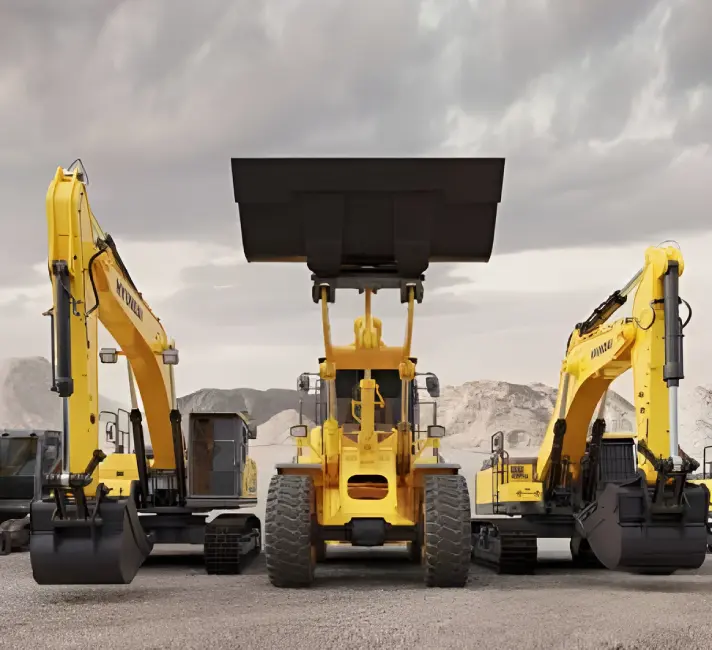
Power on Demand: Why Heavy Equipment Rental is the Smart Choice for Modern Construction
Introduction
In today’s fast-paced construction and infrastructure development world, flexibility is key. Companies are constantly seeking ways to complete projects faster, reduce overheads, and remain competitive. One strategy that has gained immense popularity is heavy equipment rental. Instead of investing millions in purchasing machinery that may not always be in use, contractors and developers are now turning to rental services as a cost-effective, hassle-free alternative.
From small-scale urban developments to massive infrastructure projects, renting heavy machinery gives construction professionals the power and precision they need — exactly when they need it.
The Advantages of Renting Heavy Equipment
1. Cost Savings
Renting eliminates the need for large upfront investments and significantly reduces ownership costs like insurance, maintenance, storage, and depreciation.
2. Flexibility for Any Project Size
Whether it’s a two-day job or a six-month mega project, rental allows companies to scale up or down based on project needs, without being locked into long-term commitments.
3. Latest Technology and Models
Rental companies typically upgrade their fleets frequently, giving clients access to the newest, most efficient equipment without the burden of ownership.
4. Reduced Maintenance Responsibilities
Most rentals include regular servicing, breakdown support, and safety checks, freeing up time and resources for construction teams.
5. No Storage or Transport Worries
When a project ends, the equipment goes back — no need to worry about off-site storage or costly transportation logistics.
Types of Heavy Equipment Commonly Available for Rent
- Excavators: Ideal for digging and demolition
- Bulldozers: Used for clearing and grading land
- Wheel Loaders and Skid Steers: For lifting, loading, and moving materials
- Cranes and Boom Lifts: Necessary for high-rise construction and material lifting
- Compactors and Road Rollers: Crucial for roadwork and paving
- Backhoe Loaders: Versatile for small to medium-sized jobs
How to Choose the Right Rental Partner
When selecting a heavy equipment rental provider, consider the following:
- Reputation and reliability
- Equipment variety and availability
- Delivery and pick-up services
- Transparent rental terms and pricing
- Emergency support and maintenance services
- Option to hire trained operators
Industry Trends to Watch
- Digital Platforms for Booking: Many rental companies now offer mobile apps and websites to browse and reserve equipment on the go.
- Telematics and Smart Monitoring: Track fuel usage, hours of operation, and equipment location in real-time.
- Green Equipment Options: More electric and low-emission machines are entering rental fleets to support sustainable construction practices.
Conclusion
Renting heavy equipment isn’t just a budget-friendly option — it’s a strategic decision that empowers contractors to stay efficient, agile, and competitive. With access to high-performance machinery on demand, construction professionals can take on more projects, reduce downtime, and complete work with confidence.